For Five Days His Team Was Accidentally Allowed to Be as Good as They Actually Are
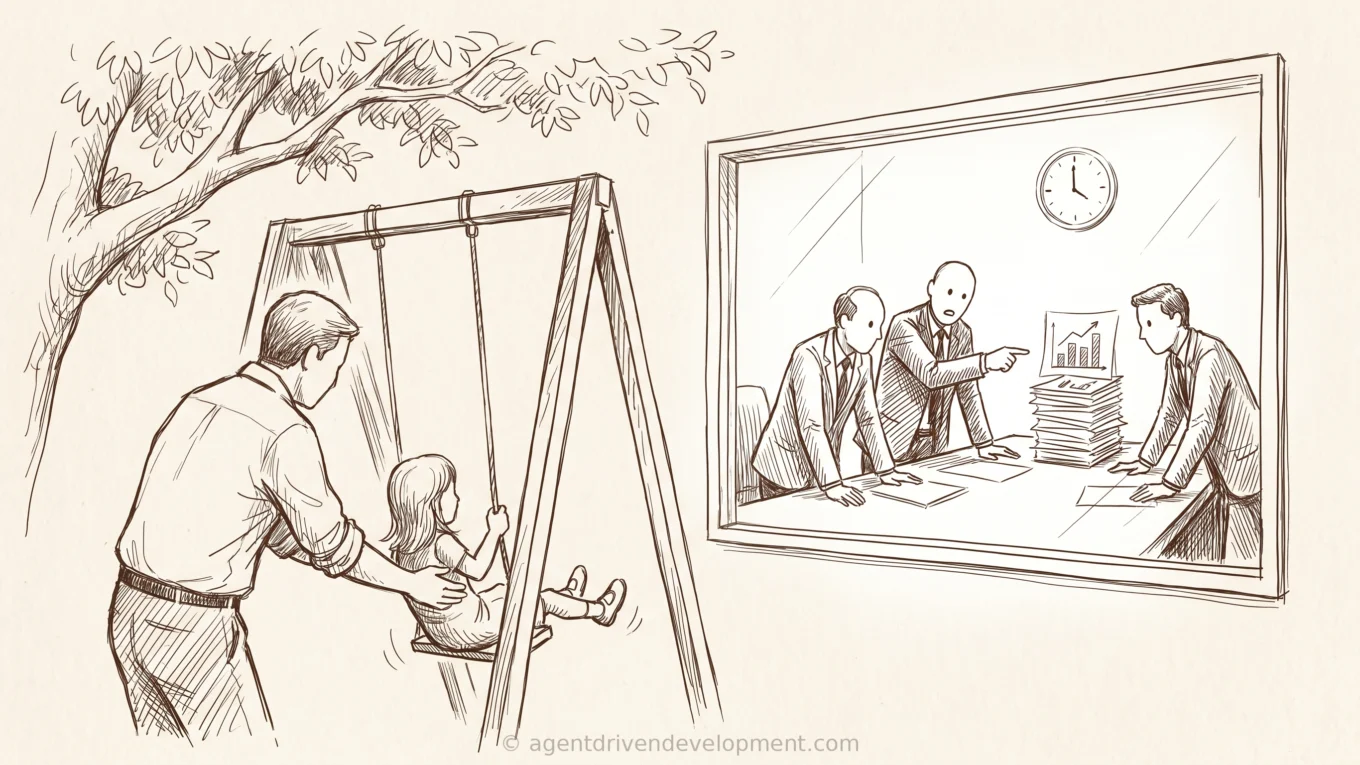
My neighbor Bill manages a software team. His company accidentally gave them unlimited AI tokens for a week. They shipped more in seven days than they had in the prior six months. Then finance noticed the bill, and the door…
Capability is the only durable AI moat. Tooling is rented; capability compounds.
Treat the AI invoice as capital, not expense.
Organizations must measure the system's output, not merely its input costs. Investment in AI tooling, like any capital expenditure, must demonstrate a return against value creation, not just adherence to a budget line item.
The cost of labor is fixed, while the productivity it yields is variable. AI tooling acts as a force multiplier for high-skill labor, increasing the effective output of existing personnel far beyond its direct cost.
Asymmetry in tool provisioning signals a misalignment of value perception. Functions directly tied to revenue, like sales, receive necessary tools as an operational cost, while engineering often battles for resources that are incorrectly categorized as discretionary.
When formal channels fail to provide necessary tooling, skilled practitioners will find informal means to acquire resources. This bypasses governance and obscures the true cost and value proposition from the organization's financial visibility.
The first question for any AI program: what does this organization measure, and what does the measurement reward?
Capability is the only durable AI moat. Tooling is rented; capability compounds.
Treat the AI invoice as capital, not expense.
Organizations must measure the system's output, not merely its input costs. Investment in AI tooling, like any capital expenditure, must demonstrate a return against value creation, not just adherence to a budget line item.
The cost of labor is fixed, while the productivity it yields is variable. AI tooling acts as a force multiplier for high-skill labor, increasing the effective output of existing personnel far beyond its direct cost.
Asymmetry in tool provisioning signals a misalignment of value perception. Functions directly tied to revenue, like sales, receive necessary tools as an operational cost, while engineering often battles for resources that are incorrectly categorized as discretionary.
When formal channels fail to provide necessary tooling, skilled practitioners will find informal means to acquire resources. This bypasses governance and obscures the true cost and value proposition from the organization's financial visibility.
The first question for any AI program: what does this organization measure, and what does the measurement reward?
After 20 years in software development, Norman is both a hands-on leader and defining the new age of AI SDLC for some of the biggest brands in the world — and exploring it with the builders. He writes here about things he is hearing and seeing. All posts are his personal points of view and do not reflect any employer or any customer he has ever had contact with.
The views and opinions expressed in this article are the author’s own and do not represent the positions of any employer, client, or affiliated organization.